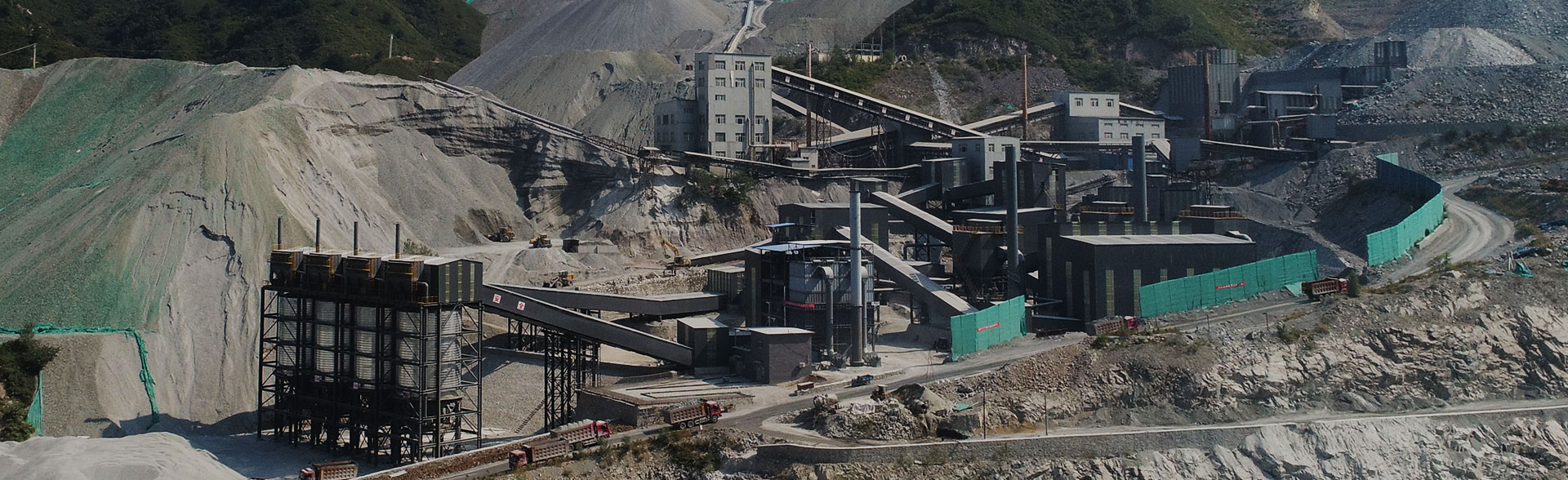
The coal milling machine, a critical component in thermal power plants, plays a pivotal role in the process of converting raw coal into fine coal powder. This finely ground coal is essential for efficient combustion in the boiler, making the coal milling machine indispensable for the overall performance and efficiency of the power plant. Its operation directly impacts the stability, economy, and environmental footprint of the power generation process.
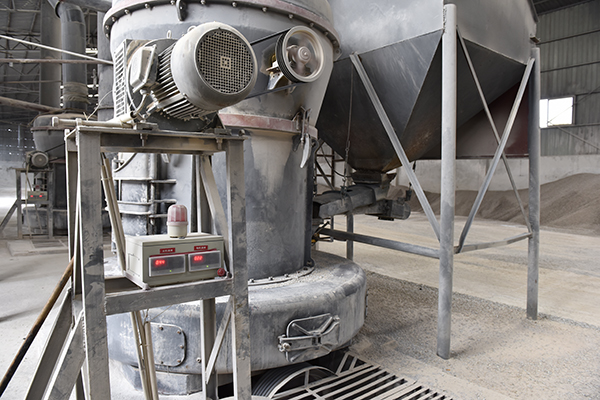
1. Working Principle of Coal Milling Machines
Coal milling machines operate by using rotating grinding elements, such as rollers or balls, to crush and grind raw coal into fine particles. The process involves the application of mechanical forces, including compression and shear, to break down coal chunks into powder. Simultaneously, a hot air system dries the coal powder and transports it to the boiler for combustion.
There are several types of coal milling machines, each suited for specific applications. Ball mills are versatile and can handle various coal types but consume more energy. Medium-speed mills are compact and energy-efficient, while high-speed mills are smaller but require higher-quality coal. The choice of mill depends on the coal characteristics and plant requirements.
Key operational parameters, such as the air-to-coal ratio, grinding pressure, and temperature, must be carefully controlled to ensure the coal powder meets the required fineness and moisture levels. Proper adjustment of these parameters is crucial for optimal performance.
2. Operational Challenges
One of the primary challenges in coal milling is the variability in coal quality. Differences in hardness, moisture content, and volatile matter among coal sources necessitate adaptive milling strategies. Operators must continuously adjust mill settings to maintain efficiency and output quality.
Wear and tear on grinding components, such as rollers and grinding tables, is another significant issue. Prolonged operation leads to material degradation, reducing milling efficiency. Solutions include the use of advanced wear-resistant materials and regular maintenance.
Energy consumption is a critical concern in coal milling operations. Implementing energy-saving technologies, such as variable frequency drives and optimized grinding processes, can significantly reduce power usage and operational costs.
3. Technological Innovations
The integration of smart control systems has revolutionized coal milling operations. Advanced algorithms and real-time data analytics enable precise control over milling parameters, enhancing efficiency and reducing energy consumption.
The development of new wear-resistant materials, such as ceramic composites and nano-coatings, has extended the lifespan of milling components. These materials offer superior durability and performance under harsh operating conditions.
Energy-saving innovations, including high-efficiency separators and improved grinding mechanisms, have further optimized coal milling processes. These advancements contribute to lower energy consumption and reduced environmental impact.
Coal milling machines are at the core of thermal power generation, and their evolution reflects the broader advancements in the power industry. With ongoing technological improvements, these machines are becoming more efficient, reliable, and environmentally friendly. As the demand for cleaner and more efficient energy grows, coal milling machines will continue to play a vital role in meeting global energy needs.

Cheng du Xinshengrun Material Technology Co., Ltd. is a long-term professional manufacturer of equipment such as cone crusher,jaw crushers,sand making machines, mining machineryetc Manufacture of high manganese and high chromium wear-resistant parts.
You can leave your message here, we'll send you an Email immediately.
Online ChatCopyright ©2000- 2025 Xinshengrun Material Technology Company stiemap

Stone Crusher-sold by certified Suppliers,such as Jaw / Cone / Impact / Mobile Crusher,etc.
GET QUOTE

INQUIRY